
 Rejoice Njoku
Picture this: it’s been a long day at work, and you’re tired and irritable. All you want to do is sit down and watch some TV, but your partner keeps talking to you, asking questions, and generally getting on your nerves.
You snap at them, telling them to leave you alone, and they withdraw, hurt and upset. It leave you feeling a little guilty, in turn. Sound familiar?
Well, this scenario is all too common in relationships. But what’s the real problem here?
Is it that you don’t love your partner? Not necessarily. It may just be that you’re not showing them enough kindness.
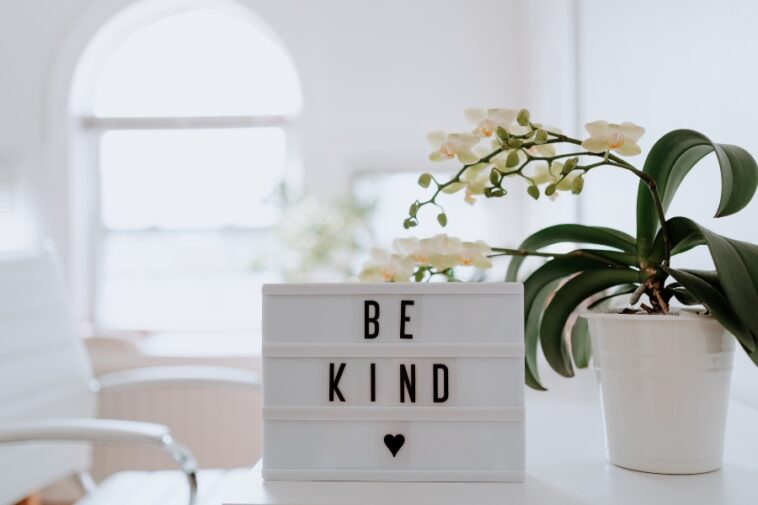
In any relationship, kindness is essential.
It’s the small things that you do for each other that show that you care: a hug when your partner is feeling down, a cup of tea in bed in the morning, or a text message during the day to say that you’re thinking of your partner.
Love is important, of course, but kindness makes a relationship thrive. Kindness is the foundation on which all successful relationships are built.
If you’re guilty of not being kind to your partner, or you want to prevent such a scenario as I’ve painted earlier from happening to you, then this post is just what you need.
In it, we’ll explore five better things that you can do instead of not showing kindness towards your partner. These things will not only strengthen your relationship but help you become a kinder and more compassionate person overall.
So, whether you’re struggling in your relationship or you just want to take it to the next level, read on to find out how kindness can transform your love life.
Communicate Openly and Honestly
If there’s one word that’s often stressed in relationships, it’s communication, and with good reason too.
Communication is the cornerstone of any successful relationship. When you communicate openly and honestly, you build trust, understanding, and connection with your partner.
But sometimes, communication can be challenging, especially when you’re feeling hurt, angry, or frustrated.
It’s easy to lash out, to say things that you don’t really mean, or to shut down and avoid the conversation altogether. However, when you communicate in an unkind manner, you risk damaging your relationship and hurting your partner.
To communicate effectively with your partner, it’s important to start by taking a step back and assessing your emotions.
What are you feeling? Why are you feeling this way? Once you have a handle on your emotions, try to communicate your thoughts, feelings, and needs in a kind and respectful manner.
Use “I” statements to express yourself, rather than blaming or accusing your partner. For example, instead of saying, “You never listen to me,” try saying, “I feel unheard and frustrated when I don’t feel like you’re really listening to me.”
Equally important is listening to your partner’s needs and concerns. When you listen to your partner with an open heart and mind, you show them that you value their perspective and are willing to work together to find solutions.
Pay attention to both their verbal and nonverbal cues, and ask questions to clarify their thoughts and feelings. Paraphrasing what they’ve said can also help to demonstrate that you’ve understood their perspective.
Remember, effective communication takes practice, and it’s okay to make mistakes.
If you find yourself getting defensive or emotional during a conversation, take a break and come back to it later when you’re feeling calmer.
The most important thing is to keep the lines of communication open and to show your partner that you’re committed to working through any issues together.
Communicating openly and honestly with kindness and respect will deepen your connection with your partner and build a stronger, more fulfilling relationship.

Practice Empathy and Put Yourself in Their Shoe
You know how frustrating it can be when you feel like your partner isn’t being kind or understanding towards you.
But have you ever stopped to consider things from their perspective? Sometimes, it’s easy to get caught up in our own feelings and forget that our partner is a person with their own thoughts, feelings, and experiences.
That’s where empathy comes in. Empathy is the ability to understand and share the feelings of another person.
When you practice empathy, you’re able to put yourself in your partner’s shoes and see things from their perspective.
This can be incredibly helpful in improving your relationship and showing more kindness towards your partner.
Think about a time when you were upset or struggling with something. Maybe it was a difficult day at work, or you received some bad news. How did you want your partner to respond?
Chances are, you wanted them to be there for you, to listen to you, and to offer comfort and support.
Now, imagine your partner is the one who is upset or struggling. How can you show them the same level of kindness and support that you would want for yourself?
It’s important to remember that empathy doesn’t mean you have to agree with your partner or give up your own perspective.
Instead, it’s about being open to understanding their feelings and experiences.
When you’re able to practice empathy, you’re more likely to have productive conversations and find solutions that work for both of you.
So, how can you practice empathy in your relationship? Start by actively listening to your partner when they’re talking to you. Put down your phone, turn off the TV, and really focus on what they’re saying.
Ask questions to clarify their perspective, and try to avoid getting defensive or dismissive. If you’re struggling to understand where they’re coming from, try to ask yourself what you would be feeling or thinking if you were in their situation.
Another way to practice empathy is to show your partner that you’re there for them. Offer words of encouragement or support when they’re going through a tough time, and try to anticipate their needs.
Maybe that means bringing them a cup of tea when they’re feeling sick or taking care of some household chores when they’re stressed out.
Remember, empathy isn’t something that comes naturally to everyone, and it may take some practice to get the hang of it.
But the more you’re able to understand your partner’s perspective and show them compassion, the stronger your relationship will be.

Show Appreciation and Gratitude
In a relationship, it’s important to show appreciation for your partner. It’s easy to get caught up in the day-to-day routines and forget to acknowledge the little things that your partner does for you.
But taking the time to show gratitude can make a big difference in your relationship.
Think about the last time your partner did something kind for you. Maybe they made you breakfast in bed, gave you a thoughtful gift, or listened to you vent about a stressful day.
Did you take the time to thank them for it?
Showing gratitude doesn’t have to be a big production, but it can impact your partner’s mood and overall happiness.
There are plenty of ways to show appreciation for your partner, and a simple “thank you” can go a long way.
But you can also show your appreciation through your actions.
Consider doing something special for your partner, like cooking them their favourite meal or surprising them with tickets to a show they’ve been wanting to see.
Gratitude isn’t just about making your partner feel good; it can also benefit you. Studies have shown that practising gratitude can improve your overall well-being and even reduce stress.
See?! Win-Win.
Practice Forgiveness
Have you ever been in a situation where your partner has hurt you? Maybe they said something that upset you, or they forgot to do something important.
It’s natural to feel angry or hurt in those situations, but holding onto that anger and resentment can do more harm than good.
Forgiveness is not about forgetting what happened or excusing your partner’s behaviour. It’s about understanding that they are human and may slip up from time to time and choosing to let go of the negative emotions associated with the situation and moving forward.
When you practice forgiveness, you release the power that the hurtful event has over you and your relationship.
One way to practice forgiveness is to communicate openly with your partner. Share how their actions made you feel, and allow them to apologize and make amends. This makes it easier for you to be kinder to them.
Another important aspect of forgiveness is self-forgiveness. You may not like to think about it, but you make mistakes too, and sometimes you are the one who hurt your partner.
It’s important to recognize your role in the situation and take responsibility for your actions.
By practising self-forgiveness, you can learn from your mistakes and grow as an individual and as a partner.
It’s important to remember that forgiveness is a process and it takes time. It may not happen overnight, but with patience and commitment, you can work towards forgiveness and healing in your relationship.
So, ask yourself: Are you holding onto grudges or resentment towards your partner? How can you practice forgiveness and let go of negative emotions?
Remember that forgiving your partner doesn’t just benefit them; it’s also a gift to yourself, allowing you to move forward and create a happier, healthier relationship.
Make Time for Fun and Romance
Do you remember the early days of your relationship when you couldn’t keep your hands off each other? The butterflies in your stomach, the longing glances, the spontaneous surprises?
These are all important aspects of a healthy relationship that often fall by the wayside as time goes on.
But it’s important to remember that showing kindness to your partner isn’t just about doing things for them; it’s also about making time to connect and have fun together.
When was the last time you and your partner had a date night? Or did something spontaneous and exciting together?
Making time for fun and romance can help rekindle the passion in your relationship and remind you both why you fell in love in the first place.
It doesn’t have to be anything extravagant – even something as simple as a picnic in the park or a night in watching your favourite movie can do wonders for your connection.
Physical affection is another important aspect of showing kindness in a relationship. When was the last time you hugged your partner or held their hand?
Sometimes a simple touch can convey more love and appreciation than words ever could.
Make a conscious effort to show physical affection every day, whether it’s a kiss goodbye in the morning or cuddling on the couch at night.
Making time for fun and romance doesn’t just benefit your relationship; it also benefits you as an individual.
When you’re happy and fulfilled in your relationship, you’re more likely to be kind and compassionate towards others in your life.
Don’t hesitate to prioritize your relationship and make time for the things that bring you both joy and happiness.
Showing kindness towards your partner isn’t just about doing nice things for them; it’s about connecting with them on a deeper level and making time for the things that make your relationship special.
So go ahead, plan a surprise date night or steal a kiss when your partner least expects it – the kindness you show in these small moments can go a long way in keeping your relationship strong and healthy.
Ending Thoughts on Being Kind and Staying Kind
I hope that you have found these tips helpful in improving your relationship and helping you become a kinder person towards your partner. The beauty of these tips is that they are applicable to other relationships in your life.
Kindness never goes out of style, so don’t hesitate to embrace it.
Remember, relationships require work, and it’s important to make an effort to keep the love alive. Show your partner kindness, appreciation, forgiveness, and affection, and make time for fun and romance.
These simple actions can go a long way in creating a happy and healthy relationship.
So, take action today! Start implementing these tips and watch your relationship thrive. Here’s to a happier, healthier, and more loving relationship!