
 Bukola Arikawe
Being proactive in nurturing and maintaining a healthy relationship is essential. It means actively listening, communicating openly, and making efforts to strengthen the bond.
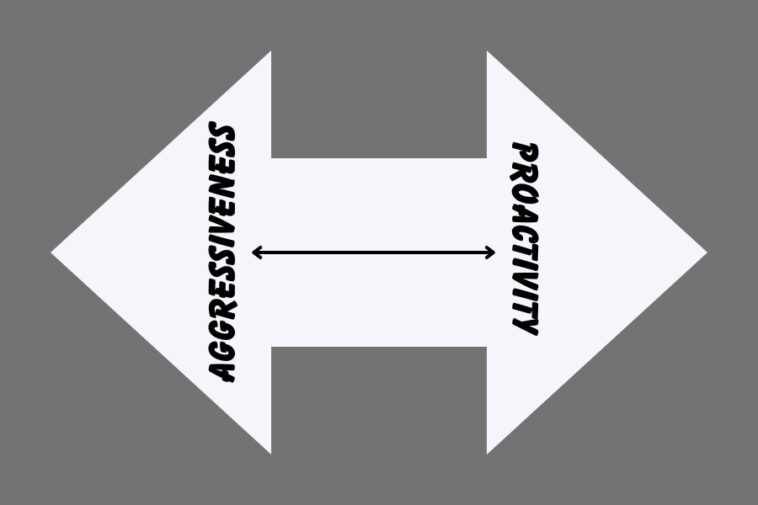
But if we’re not careful, that enthusiasm and drive can easily transform into aggression, jeopardizing the very connection we’re trying to improve.
That’s why it’s essential to understand where that line lies and how to stay on the right side of it.
If you’re ready to master the art of balancing proactivity and aggressiveness in your relationship, buckle up and get ready for an insightful journey.
This post is tailor-made to help provide practical strategies to keep you on the right path.
In the end, you’ll have a toolkit of skills to help you navigate the twists and turns of relationship dynamics like a seasoned pro.
Let’s kick things off!
Foster Open and Honest Communication With Your Partner

Open and honest communication is something that can be achieved with practice, patience, and a sprinkle of vulnerability.
To foster a beautiful type of communication between you and your partner, it’s crucial to create an environment where both of you feel heard, understood, and valued.
That means actively listening, putting down your phone, and making eye contact (yes, even if it feels a little awkward).
It means taking a deep breath and allowing yourself to be vulnerable, sharing your fears, dreams, and insecurities. It’s about being present at the moment and genuinely connecting with your partner’s words.
Keep in mind that fostering open and honest communication is a journey, not a destination.
It takes effort and a willingness to put in the work.
So, embrace the move of communication, take those tiny steps forward, and celebrate the little victories along the way.
Together, you and your partner can create a safe space where your thoughts and emotions flow freely, strengthening the bond you share.
Practice Active Listening Skills
Active listening isn’t just about hearing the words; it’s about immersing yourself in the experience and truly understanding your partner’s perspective.
Active listening is not a magical spell that transforms you into a perfect listener overnight.
Nope, it’s a skill that takes practice, patience and a sprinkle of self-awareness.
It’s like learning to play an instrument—it might be a bit clunky at first, but with time and dedication, you’ll become a maestro of attentive listening.
To practice active listening in your relationship, start with being present in the moment, putting down your phone, and giving your undivided attention.
Look your partner in the eyes, absorb their words, and let them know you’re fully engaged.
And here’s a little secret ingredient: show empathy. Put yourself in their shoes, feel what they’re feeling, and let them know you understand.
Never forget that when you truly listen, you create a safe space for open and honest communication. Your partner feels heard, valued, and understood. And that’s when the walls start to crumble, and true connection flourishes.
Cultivate Empathy and Understand Your Partner’s Emotions and Experiences
Cultivating empathy is not about becoming a mind reader or a Jedi master. It’s about being open-hearted, curious, and willing to take a journey alongside your partner.
Cultivating empathy is a lifelong practice, and it begins with a simple shift in perspective.
Cultivating empathy means being genuinely curious about your partner’s emotions and experiences.
It’s about creating a safe space for them to open up, sharing their hopes, fears, and dreams. It’s like embarking on a grand adventure together, discovering the hidden corners of their heart and mind.
One key thing to note is that empathy is not about fixing or solving but about listening without judgment, holding space for your partner’s emotions, and validating their experiences.
It requires being present in their joy, pain, and everything in between. And guess what? It’s not always easy.
Sometimes, you might stumble, say the wrong thing, or struggle to find the right words. But that’s okay. The beauty of empathy is in the effort, the intention to understand and connect.
Well, how far can you go in cultivating empathy? The extent is actually infinite. It’s a lifelong journey of growth and discovery.
With each passing day, you can peel back another layer, deepening your understanding of your partner and their unique world. It’s a dance of vulnerability, compassion, and love.
Develop Constructive Conflict Resolution Skills

Developing constructive conflict resolution skills is like building bridges instead of erecting barriers.
Conflict resolution isn’t some mythical superpower that only a select few possess. Nope, it’s a skill that can be honed and mastered by anyone willing to put in a little effort.
Think of it as learning to ride a bike—sure, you may stumble and fall a few times, but with practice and perseverance, you’ll be cruising smoothly in no time.
Achieving constructive conflict resolution skills takes time, patience, and a willingness to learn from both successes and failures. But the journey itself is worth it.
Committing to developing these skills opens doors to deeper understanding, increased empathy, and a healthier, more resilient relationship.
Creating an environment where both you and your partner can express yourselves without fear of judgment or reprisal is one way to develop these marvellous conflict resolution skills.
Another way is to sharpen your active listening skills and empathy. They cannot be overemphasized in ensuring the development of constructive conflict resolution skills.
Learn to Manage Your Emotions Effectively
Learning to manage your emotions effectively can be a game-changer in navigating that thin line between proactivity and aggressiveness.
Managing your emotions doesn’t mean suppressing them or pretending they don’t exist. Oh no; it’s about embracing, understanding, and finding healthy ways to express them.
The sky is actually the starting point in knowing how far you can go in effectively managing your emotions! It’s a lifelong journey of self-awareness and self-regulation.
It’s about recognizing the storm brewing inside you and taking a deep breath before it unleashes.
It requires finding strategies that work for you—whether it’s taking a walk in nature, journaling your thoughts, or even practising some good ol’ deep breathing exercises.
But the thing is that it’s not always easy. Sometimes, those emotions can feel overwhelming but fear not; with practice and a bit of self-compassion, you can ride those waves with grace and poise.
Embrace a Proactive Approach to Compromise and Collaboration
Embracing proactivity in compromise and collaboration can help transform challenging moments into opportunities for true magic to happen.
Compromise and collaboration aren’t always a walk in the park. Still, don’t be dismayed because the extent to which you can achieve a proactive approach is greater than you might think.
Embracing a proactive approach to compromise and collaboration means actively seeking solutions, exploring possibilities, and finding that sweet spot where both partners feel heard and valued.
It’s like being a dynamic duo, working together to conquer challenges and create a harmonious balance.
A way to embrace this proactive approach is through open communication and a willingness to step into each other’s shoes.
Put on those empathy goggles and imagine the world from your partner’s perspective.
Next up, be proactive in seeking creative solutions. This is where your inner problem-solver shines. Brainstorm ideas, think outside the box, and get those creative juices flowing.
Engage in Self-Reflection and Self-Awareness
As you delve deeper into the realms of self-reflection and self-awareness, you uncover precious insights that can transform your relationship.
Engaging in self-reflection and self-awareness is not about beating yourself up or becoming the next Sigmund Freud. It’s about getting to know yourself on a deeper level—the good, the not-so-good, and everything in between.
It’s like embarking on a treasure hunt within yourself, uncovering hidden gems of wisdom and understanding.
True growth and transformation occur in moments of self-awareness and reflection.
Engaging in self-reflection and self-awareness is an ongoing process of learning, unlearning, and rediscovering yourself.
It’s about acknowledging your strengths and weaknesses, understanding your triggers, and taking responsibility for your actions.
Store in memory that engaging in self-reflection and self-awareness can be uncomfortable, confronting, and even messy at times.
But trust me, my friend, the rewards are worth it.
Shining a light on your own patterns and tendencies grants the power to make conscious choices and break free from reactive behaviours.
Practice Patience and Understanding in Moments of Conflict or Disagreement
Take a moment to imagine that you and your partner found yourselves in the midst of a heated argument. It’s like a thunderstorm brewing, tensions rising with every word exchanged.
But hold up! Before you unleash a torrent of words you might regret, take a deep breath and tap into the superpowers of patience and understanding.
Practising patience and understanding is not about being a saint or suppressing your emotions—it’s about creating space for empathy and compassion to flourish.
The question in most hearts will be how exactly one can practice this formidable duo. Start with slowing down, both internally and externally. Take a moment to check in with yourself. Notice any rising tension or the urge to react impulsively.
Next, put on your empathy hat. Step into your partner’s shoes and try to see the situation from their perspective.
Practising patience and understanding allow you to defuse the heat of conflict and create an environment conducive to resolution.
Rounding Off
Relationships are like a beautiful garden that requires nurturing, attention, and care.
As you navigate the thin line between proactivity and aggressiveness, embrace the lessons, the challenges, and the love that brought you together.
I’d love to hear from you.
What are your thoughts? Did this post strike a chord with you? Have you experienced this thin line in your relationship?
Please share your stories, insights, and questions in the comments below. Let’s spark a conversation and create a community of support and growth.
Thanks for reading.