
 Rejoice Njoku
You know how in relationships, actions and intentions can sometimes get lost in translation?
It’s like there’s this invisible line between disrespect and respect that keeps shifting, leaving us bewildered and unsure.
What you perceive as a sincere gesture of love and care, your partner might interpret as an insult or disregard, and vice versa.
It’s a challenge we all face, and it becomes even more pronounced during conflicts – those inevitable storms that can muddy the waters of understanding.
But no cause for alarm. We’re here to shed light on the importance of respect in relationships and help you navigate that tricky line with confidence.
Throughout this post, we’ll provide you with practical strategies and insights to help you maintain and cultivate respect within your relationship.
Get ready to gain valuable tools and perspectives that will empower you to navigate that blurry line with greater clarity and finesse.
Practice Effective Communication

People talk a lot about how communication is the key to a healthy relationship, but let’s get real here, it’s only true when the communication is effective.
You know what I’m talking about, right?
It’s when you pour your heart out, thinking you’ve expressed yourself perfectly, only to have your partner completely misinterpret what you were trying to say. Frustrating, isn’t it?
Effective communication is all about finding that sweet spot where your words not only convey your intentions but also land with your partner in a way that they truly understand.
It’s like speaking the same language, even if you’re not using the exact same words.
You want to bridge the gap between what you mean and what they perceive, creating a harmonious connection.
So, here’s the deal: break it down into bite-sized chunks. Instead of going on and on with long-winded monologues, try keeping your messages clear and concise.
Think of it as communicating in short, punchy sentences that pack a powerful message. It helps maintain the rhythm of the conversation and keeps things interesting.
But wait, there’s more! Effective communication isn’t just about what you say; it’s also about how you listen. Yep, being a good listener is just as important as being a great speaker.
You need to be fully present, giving your undivided attention to your partner. That means putting down your phone, looking them in the eye, and really hearing what they’re saying.
Trust me, they’ll appreciate it more than you know.
Oh, and here’s a tip: watch your body language. Non-verbal cues can speak louder than words sometimes. So, show that you’re engaged and interested.
Nod your head, smile, and use those expressive eyebrows of yours. Let them know that you’re not just physically present but emotionally invested too.
Remember, communication isn’t a one-way street. It’s a dance between two people, and you both have to be willing to participate and put in the effort. So, take a deep breath, be patient with each other, and practice, practice, practice.
Effective communication is like a muscle – the more you use it, the stronger it gets.
Establish Boundaries
Establishing boundaries is like drawing a line in the sand, letting both you and your partner know what’s acceptable and what’s not. It’s like creating your own little personal bubble where you feel safe, respected, and valued.
Both of you need to get on board for this to work like a well-oiled machine.
So, what does it mean to establish boundaries? Well, it means knowing your limits and communicating them clearly.
It’s about expressing what makes you feel uncomfortable, disrespected, or crossing the line.
And guess what? Your partner needs to do the same!
It’s all about mutual understanding and finding that beautiful middle ground where both of your needs are acknowledged and respected.
Start by identifying your own boundaries. What are the things that are important to you? Maybe it’s personal space, alone time, or specific values you hold dear.
Whatever it is, be crystal clear about it and communicate it to your partner. They can’t read your mind, after all!
But hey, it’s not just about stating your boundaries; it’s about honouring them too. And that goes for both of you.
It’s not about playing a game of who can set the most rules; it’s about creating an environment where both of you feel heard and respected.
Boundaries aren’t meant to restrict or control; they’re meant to foster a healthy and balanced relationship.
It’s like putting up guardrails on a winding road – they keep you on track and prevent you from veering off into disrespectful territory.
So, my friend, take a moment to reflect on your own boundaries and start those conversations with your partner. Be open, be honest, and be willing to meet each other halfway.
Establishing boundaries is your secret weapon in navigating that thin line, and when both of you are on board, it’s a force to be reckoned with.

Build Mutual Respect
Let’s face it, respect is the glue that holds everything together, and when it’s lacking, things can quickly go downhill.
First things first, let’s talk about the elephant in the room: taking your partner for granted. We’ve all been guilty of it at some point, right?
It’s when we stop appreciating the little things they do, like making us a cup of coffee in the morning or listening to us vent about a rough day.
But taking your partner for granted is a surefire way to erode the respect in your relationship.
So, let’s nip that in the bud, shall we?
Start by showing gratitude and appreciation on the regular. Don’t just assume they know how much you value them; tell them!
Express your gratitude for the things they do, big or small. It can be as simple as a heartfelt “thank you” or a sweet text message to let them know you notice and appreciate their efforts.
And don’t just say words. Let your actions match your words. Respect means honouring their thoughts and feelings, even when they differ from your own.
Another practical step is to honour your commitments. Be reliable and dependable. If you say you’ll do something, follow through on it. This builds trust and shows your partner that they can count on you.
And when trust is strong, respect thrives.
Oh, and don’t forget the golden rule: treat your partner the way you want to be treated. It’s a simple concept, but it’s powerful. Be kind, considerate, and supportive.
Be their cheerleader in life, celebrating their successes and being there to lift them up when they stumble.
Remember, respect is reciprocal, and when you and your partner embody this principle, magic happens.
Manage Conflict Constructively
Conflict is often a major cause of disrespect in relationships but if you can learn to navigate it well, then you are well on your way to staying on the respectful side of the divide.
First things first, let’s ditch the notion that conflict is always a bad thing. It’s not! In fact, conflict can be an opportunity for growth and understanding if handled properly.
So, step one is to change your perspective. Instead of fearing conflict, embrace it as a chance to strengthen your bond with your partner.
Now, when conflict arises, it’s important to approach it with an open mind and a willingness to listen. Keep those emotions in check.
Take a deep breath, count to ten if you have to, and remind yourself that this is not about winning or losing. It’s about finding a resolution that respects both of your needs and feelings.
Express yourself in a constructive manner and listen to your partner as they do the same. Avoid personal attacks or derogatory language.
Instead, use “I” statements to express how you feel without blaming or accusing. This allows your partner to understand your point of view without feeling attacked.
Look for areas of agreement and build upon them. Explore compromises that honour both of your needs.
Last but not least, it’s easy to get caught up in the heat of the moment and say things we don’t mean. But respect should always be at the forefront of your mind.
Choose your words carefully and avoid crossing the line into disrespectful territory.
Practice Emotional Intelligence
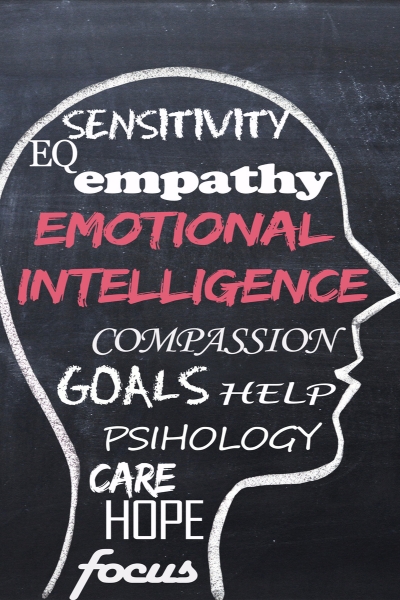
Have you ever heard of EI? No, it’s not some secret code, my friend. It stands for Emotional Intelligence.
So, what exactly is emotional intelligence?
It’s part of your intellect that helps you recognise and manage your own emotions and understand the feelings of others.
Think of it as the part of your brain that teaches you tact.
Now, you may be thinking, “Oops, I really don’t have any filter when it comes to the things I say”.
Well, the best part? It’s a skill that can be learned and practised!
You can get started by tuning in to your own emotions. Take a moment to reflect on how you’re feeling and why. Are you angry, sad, or frustrated?
Once you’re in touch with your emotions, you can better manage them and prevent them from escalating into disrespectful behaviour.
But emotional intelligence isn’t just about you; it’s about your partner too. Take the time to really understand their emotions.
Put yourself in their shoes and try to see the situation from their perspective. Empathy is the key here, my friend. It’s about acknowledging and validating their feelings, even if they’re different from your own.
Emotional intelligence plays a crucial role in how you express yourself and how you listen to your partner. When you’re in tune with your emotions, you can choose your words wisely, avoiding hurtful or dismissive remarks.
It’s about finding that delicate balance between honesty and sensitivity.
Practising emotional intelligence takes time and effort, as mentioned earlier. It’s a journey of self-awareness and growth.
But the payoff is immense – a relationship built on respect, understanding, and deep connection.
Continual Work on the Relationship

Relationships are like children. They need constant attention and care if you want them to grow up well-nurtured.
That’s right, it’s time to roll up your sleeves and put in the work to ensure your romantic bond thrives in the realm of respect and love.
Get ready for some relationship TLC!
Bust the myth that once you’ve found “the one,” everything will magically fall into place. Nope, that’s just not how it works.
Love requires ongoing effort and commitment. It’s about continually investing in your relationship, just like you would with a cherished plant that needs watering and nourishment.
So, what does continual work on the relationship look like?
It means prioritizing quality time together. In the hustle and bustle of life, it’s easy to let your relationship take a backseat. But if you want to maintain respect and love, you’ve got to make intentional efforts to connect.
Schedule date nights, have meaningful conversations, and create shared experiences that deepen your bond.
It also means staying curious about each other. People change and evolve over time, so it’s important to keep getting to know your partner on a deeper level.
Ask questions, listen attentively, and show genuine interest in their dreams, aspirations, and even their fears. This curiosity breeds understanding and nurtures the seeds of respect.
Make it a habit to check in with each other regularly. Share your thoughts, express your needs, and address any concerns or issues that may arise.
Lastly, be willing to adapt and grow together. Life throws curveballs, and circumstances change. It’s important to navigate those challenges as a team.
Seek Support and Help

Sometimes, we face challenges in our relationships that leave us feeling lost or overwhelmed. It could be recurring conflicts, unresolved issues, or even personal struggles that spill over into the relationship.
If you think the issues you have run deeper and are way above your head, you don’t have to suffer alone.
Seeking support and seeking help is not a sign of weakness but a courageous step towards nurturing a respectful and thriving romantic relationship.
Reach out to a trusted friend, a mentor, or a family member who can lend a listening ear and provide valuable insights.
Sharing your experiences can help you gain perspective and offer a fresh outlook on your situation.
But what if the challenges persist or feel too heavy to handle? That’s when seeking professional help can be a game-changer. J
ust like you’d consult a doctor for a physical ailment, seeking therapy or counseling for your relationship can provide a safe and supportive space to address deeper issues.
A skilled therapist can guide you and your partner in navigating the complexities of respect, communication, and personal growth.
Remember, my friend, seeking support and help is not a sign of failure but an acknowledgment of your commitment to a healthy relationship.
It takes courage to recognize when you need assistance, and it’s a testament to your dedication to fostering respect and love.
In addition to seeking external support, don’t underestimate the power of internal connection. Take the time to reflect on your own needs, desires, and boundaries.
Engage in self-care practices that replenish your emotional well-being. When you cultivate a strong sense of self, you bring more clarity and authenticity to your relationship, creating an environment where respect can flourish.
Parting Words
Congratulations! Now, it’s time to put it all into action and make a lasting difference.
As you’ve learned, knowledge alone is not enough. It’s the application of that knowledge that truly transforms relationships.
So, I encourage you to take these insights and weave them into the fabric of your daily interactions with your partner.
Remember, my friend, change doesn’t happen overnight. It takes commitment, patience, and a willingness to learn and grow together.
Embrace the journey, knowing that each step you take towards greater respect and understanding will strengthen the bond you share with your partner.
There will be moments of triumph and moments of challenge along the way. But when you stumble, don’t be discouraged. Instead, see it as an opportunity to reflect, learn, and course-correct.
Relationships are ever-evolving, and the effort you invest in creating a respectful and loving connection is worth every ounce of energy.