

 Bukola Arikawe
In the tempest of emotions, it becomes clear that anger has the power to corrode even the strongest bonds. It eats away at trust, erodes communication, and leaves behind a trail of bitter resentment.
So, what’s the antidote? How do we salvage our relationships from the clutches of anger?
The answer lies in a little thing called forgiveness.
Forgiveness becomes the lifeboat that rescues us from the tumultuous sea of anger, bringing us back to a place of understanding and harmony.
On one side, we have anger, a fiery beast that demands attention and seeks retaliation. On the other side, we have forgiveness, a gentle soul that nurtures compassion and promotes growth.
Striking the right equilibrium between these two forces is the secret sauce to a thriving, resilient partnership.
And that’s exactly what this post seeks to achieve; help you uncover that elusive balance between anger and forgiveness that can transform your relationship into something truly extraordinary.
Come along!
Practice Self-Awareness

Self-awareness is like having a built-in radar that detects the storms of anger before they wreak havoc on your relationship.
Achieving complete self-awareness might sound like reaching the peak of Mount Everest while juggling flaming torches. It’s not easy, and it’s certainly a lifelong journey.
Nevertheless, that doesn’t mean it’s an impossible feat.
You don’t have to be a Zen master floating on a cloud of serenity to practice self-awareness. It’s about taking small steps and embracing the imperfections along the way.
To practice self-awareness, start with a willingness to examine your own emotions. Then, try to identify the triggers that ignite your anger. Take a step back from them and breathe the fresh air of forgiveness instead.
Self-awareness isn’t about beating yourself up when anger arises, throwing a pity party or placing blame. It’s about shining a light on your emotional landscape and making conscious choices.
It’s like having a GPS for your feelings, guiding you toward healthier responses and steering you away from the pitfalls of anger.
Sure, you might stumble from time to time, but each stumble is an opportunity for growth and self-discovery.
Communicate Openly

Communication is like a secret code that unlocks the doors of understanding, trust, and intimacy.
Open communication doesn’t mean avoiding conflict or sugarcoating your emotions. It’s about creating a safe space where both partners can express themselves authentically without fear of judgment.
But here’s the catch: open communication requires effort from both sides.
It’s a dance where one partner takes the lead while the other follows, and then they gracefully switch roles.
It’s about being present, actively listening, and embracing vulnerability. It’s admitting when you’re wrong, apologizing when necessary, and striving to understand your partner’s perspective, even when anger lingers in the air.
Bear in mind that communication is not just about words. It’s about the tone of your voice, the subtle expressions on your face, and the warmth in your touch.
It’s about creating an atmosphere where your partner feels heard, valued, and cherished.
When you master the art of open communication, the thin line between anger and forgiveness becomes clearer, allowing you to navigate the stormy seas of emotions together.
Take a Time-Out

Taking a time-out isn’t a magical solution that instantly banishes anger and brings forth forgiveness on a silver platter.
We’re not talking about snapping your fingers and suddenly finding yourself in a zen garden, birds chirping and gentle breezes caressing your face.
Albeit, a time-out can be a game-changer, a breath of fresh air amidst the storm.
Taking a time-out is not about storming off in a huff or giving your partner the silent treatment. It’s about communicating your need for a breather, a moment to collect your thoughts and emotions.
It’s like calling a time-out to strategize and come back stronger during a game.
So, how do you make the most of a time-out? First, communicate your intentions with your partner.
Let them know that you need a breather, not to escape or avoid the issue, but to create space for clarity and emotional regulation.
During your time-out, engage in activities that help you regain your centre. It could be going for a walk, practising deep breathing, or engaging in a hobby that brings you joy.
Practice Active Listening

Active listening goes beyond simply hearing the words that come out of your partner’s mouth. It’s about immersing yourself in their world, stepping into their shoes, and experiencing their emotions as if they were your own.
Active listening is like holding a fragile butterfly in your hands. You cradle it gently, feeling the delicate flutter of its wings, knowing that any sudden movement could shatter the moment.
It’s about giving your undivided attention, putting aside distractions, and truly absorbing every word, nuance, and emotion your partner conveys.
But here’s the beauty of active listening: it’s a skill that can be honed and mastered with practice.
It’s about letting go of your own agenda for a moment and creating a safe space for your partner to express themselves openly.
You don’t have to solve their problems or offer solutions right away—sometimes, the most powerful gift you can give is your unwavering presence.
Seek Understanding
Seeking understanding isn’t about becoming a mind reader or unlocking the secrets of the universe. It’s about opening your heart and mind, ready to embark on a journey of connection and empathy.
Seeking understanding is about being present, truly present, in your interactions with your partner. It’s like turning up the volume on your empathy dial and tuning into their frequency.
It’s about embracing the non-verbal cues, the unsaid words, and the silent stories behind your partner’s anger.
Although, seeking understanding isn’t a walk in the park, where rainbows and unicorns guide your path. It takes effort, my friend, and sometimes it feels like navigating a treacherous mountain pass.
But trust me, the view from the other side is breathtaking.
So, how do you embark on this journey of seeking understanding? Well, it starts with active listening.
It takes setting aside your own agenda and judgments and truly hearing your partner’s words and emotions.
It also involves asking open-ended questions that invite your partner to share their perspective. And there are no stupid questions here—only opportunities for deeper connection and understanding.
Establish Boundaries

In the realm of relationships, boundaries are like the invisible fences that protect the precious garden of your emotions.
They define the limits of what you’re comfortable with, ensuring that you feel respected, valued, and safe.
Establishing boundaries is like planting a majestic tree in your garden. You carefully choose the spot, dig deep into the earth, and set the roots firmly.
It requires knowing your limits, communicating them with clarity, and having the courage to assert your needs while respecting your partner’s.
Nonetheless, bear in mind that boundaries are unique to each relationship. What works for one couple may not work for another.
It’s like customizing your favourite recipe—you add a pinch of this and a dash of that until it perfectly suits your taste.
Boundaries can range from the physical (personal space and privacy) to the emotional (respectful communication and freedom from manipulation).
Whatever the situation, establishing boundaries requires open and honest communication with your partner.
It’s about having those courageous conversations where you express your needs, fears, and triggers while also listening to your partner’s boundaries without judgment.
Prioritize Self-Care
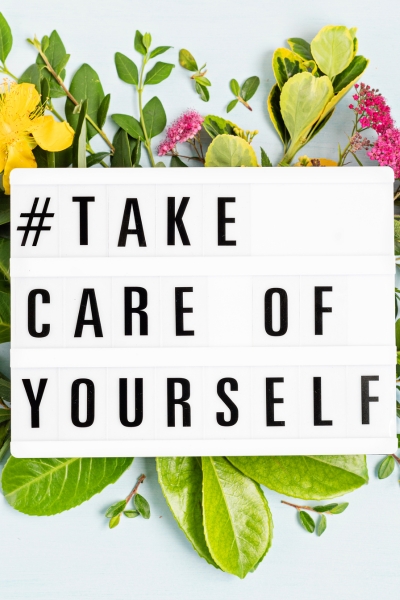
Prioritizing self-care isn’t about being selfish or indulgent, like eating a whole tub of ice cream while binge-watching your favourite show (although that does sound tempting, doesn’t it?).
It’s more of nurturing your own well-being, both physically and emotionally, so that you can show up as your best self within your relationship.
Think of self-care as refuelling your car before embarking on a long journey. You wouldn’t want to run out of gas halfway, would you?
In the same vein, taking care of yourself allows you to replenish your emotional tank, ensuring you have the resilience and strength to handle the twists and turns that come your way.
Self-care focuses on creating space for activities that bring you joy, recharge your batteries, and make you feel like a million bucks.
So, how do you prioritize self-care in the midst of the daily hustle and bustle? Start with carving out time for yourself, even if it’s just a few minutes each day.
It could be going for a walk, reading a book, or practising mindfulness; find what makes your soul sing and make it a non-negotiable part of your routine.
Cultivate Forgiveness
Cultivating forgiveness is like tending to a delicate garden. You carefully sow the seeds of compassion, water them with empathy, and watch as forgiveness blooms in the fertile soil of your heart.
It’s about acknowledging the pain caused, accepting the imperfections of both yourself and your partner, and choosing to let go of the past, making space for growth and healing.
Forgiveness does not mean forgetting or condoning the hurtful actions that took place. It’s a conscious decision to release the grip of anger and resentment, allowing yourself to move forward with a lighter heart.
The extent to which forgiveness can be achieved varies from person to person and relationship to relationship.
For some, forgiveness may come swiftly, like a sudden burst of sunlight breaking through the clouds. For others, it may be a gradual process, requiring time, patience, and self-reflection.
But here’s the beauty of forgiveness: it’s a gift you give yourself. It’s about unburdening your own soul and embracing the freedom that comes with releasing grudges.
Seek Professional Help

Seeking professional help doesn’t mean you’re broken or incapable of handling your own relationship.
It’s like having a wise sage by your side, offering guidance and insight as you navigate the complexities of your emotions.
Seeking professional help can be intimidating. It’s like stepping into uncharted territory, unsure of what awaits you.
However, remember that seeking support doesn’t make you weak—it makes you courageous. It shows that you’re willing to go the extra mile to nurture and strengthen your relationship.
The key is finding someone who creates a safe space to explore your emotions and offers valuable insights.
So, my friend, don’t be afraid to reach out for support. It’s a sign of strength, not weakness.
Parting Thoughts
Navigating the thin line between anger and forgiveness is not about achieving perfection. It’s about embracing the messy, imperfect beauty of being human.
It requires more stumbling, learning, and rising stronger with each setback. It’s about finding the courage to forgive, even when anger feels like an unwelcome guest in your heart.
I humbly invite you to share your thoughts, experiences, and insights in the comments below.
And don’t hesitate to share this piece with your loved ones.
Thank you for joining me on this voyage.
Until we meet again, keep moving, keep growing, and embrace the magic that lies within the delicate balance of anger and forgiveness.



This has been very helpful and I plan on utilizing it or implementing it tomorrow. We both have had rough lives and long relationships that have ended badly and we both have had a lot of trauma in our lives but we have found each other finally and we want to spend the rest of our lives together but we are both very quick to anger we both interrupt each other we both make assumptions and I believe that you can use skills will be very helpful in moving forward and making a lasting relationship thank you
This is awesome to know, Danielle. I wish you all the best in your relationship and hope it works in your best interests.